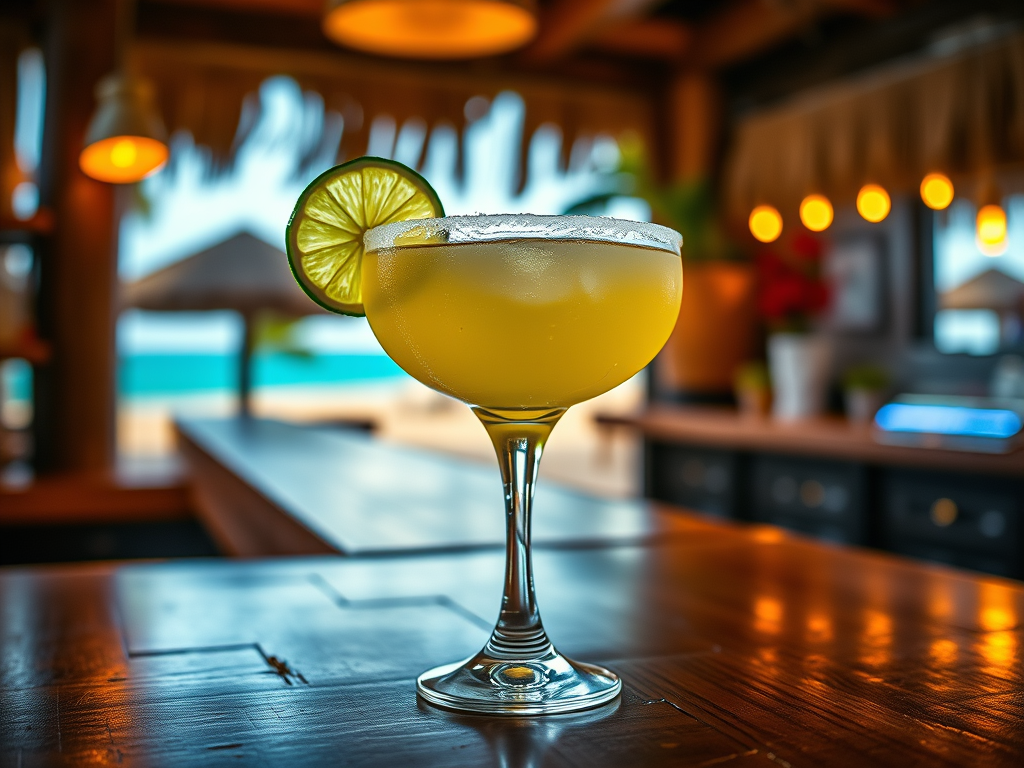
The Margarita is one of the most iconic cocktails in the world. Whether you’re lounging on a beach, out for happy hour, or mixing drinks at home, chances are you’ve come across this beloved blend of tequila, citrus, and sweetness. But despite its universal presence, the story behind the Margarita is ambiguous and the way it’s often made today barely resembles the original.
Who Invented the Margarita?
Ask ten cocktail fanatics where the Margarita came from, and you’ll get ten different answers. Some say it was invented in 1938 by Carlos “Danny” Herrera, a bartender in Tijuana, who crafted it for a dancer allergic to most spirits except tequila. Others claim it was created in 1941 in Ensenada, or that it evolved from an earlier drink called the Daisy (Spanish: Margarita), popular during Prohibition.
Regardless of who made the first one, it’s widely accepted that the classic Margarita was born in Mexico in the 1930s or early 1940s, and that it gained popularity among American tourists and expats. By the 1950s, it had become a staple in U.S. bars, helped along by the increasing popularity of tequila.
What a Margarita Was Meant to Be
The original Margarita is a balanced cocktail composed of three key ingredients:
- 2 oz Tequila (preferably 100% agave blanco)
- 1 oz Fresh lime juice
- 1 oz Orange liqueur (Cointreau or triple sec)
Optional: A salt rim and a lime wheel garnish.
Shaken with ice and strained into a coupe or rocks glass, the key is balance between the acidity of the lime, the strength of the tequila, and the sweetness of the liqueur.
What Most People Get Wrong
1. Using Sour Mix
Bottled sour mix is one of the biggest culprits in ruining a Margarita. It often contains artificial flavors and high-fructose corn syrup. The result is an overly sweet drink that drowns out the balance that was meant to shine. While we’re here, this applies to whiskey sours too – STOP USING SOUR MIX!
Fix: Use freshly squeezed lime juice. Always.
2. Low Quality Tequila
Tequilas labeled “mixto” contain only 51% agave and are filled out with other sugars and additives.
Fix: Always look for “100% agave” on the label. Blanco is traditional, but reposado adds a nice aged depth.
3. Pre-mixed Products
Store-bought Margarita mixes save time but sacrifice flavor. Like sour mixes, they tend to be too sweet and lack many of the original tasting notes you would get from a margarita made from scratch.
Fix: Make it fresh. It’s quick and simple with the right ingredients.
4. Blending It to Death
Frozen Margaritas have their time and place, but the original was never meant to be a slushy. As with any blended cocktail, the additional ice also has the potential to water down the cocktail too much to be worth it.
Fix: Shake with ice. Serve over fresh cubes or straight up.
Deep Dive: Ingredients and Technique
Tequila
The soul of the drink. For purists, blanco (unaged) tequila is the way to go. It has a peppery profile that plays beautifully with lime and orange.
Lime Juice
Fresh lime juice is always preferred. Bottled versions lack the brightness and complexity needed.
Pro Tip: Roll the lime on the counter before juicing to get more liquid out.
Orange Liqueur
Cointreau, Grand Marnier, and triple sec each bring different notes. Cointreau is crisp and clean, Grand Marnier is richer, and triple sec is more straightforward.
The Salt Rim
A light rim of kosher salt enhances flavors. To avoid over-salting, rim only half the glass to allow for some on-the-spot personalization for the drinker.
Variations on a Classic
Once you’ve mastered the traditional Margarita, try these riffs:
- California Margarita – Swaps out simple syrup for agave and adds falernum for a bit of a tiki-twist.
- Spicy Margarita – Muddle jalapeños or add a spicy tincture.
- Italian Margarita – Adds amaretto for a unique flavor combination.
Conclusion: Respect the Margarita
The Margarita deserves better than sour mix and plastic bottles. It has a rich, fascinating history and a flavor profile that rewards attention to detail. By using quality ingredients and the right technique, you can perfect this classic format and explore your own spin on the margarita. Cheers!
